
Blog
Blog
Practical ideas for B2B website lead generation—SEO, GEO, paid media, service pages, and follow-up. Brand: Visiobound.
Even If You Can’t Publish Prices, Your Website Still Needs a Clear Path to Request a Quote
Not publishing a deal price is often justified; leaving the quote path unexplained is not. Spell out the entrance, what to prepare, and what kind of reply to expect, so a buyer knows how to take the next step.
Read more →
Don’t Send Samples and Drawings to a Personal Inbox: Turn Technical Requests into Trackable Inquiries
When samples, drawings and datasheets only go out from a salesperson’s personal inbox or chat, the team can barely see or hand them off. Turn those technical requests into trackable inquiries so the current version and the follow-up stay aligned.
Read more →
Distributors and End Buyers Share One Form: How a B2B Website Should Separate Those Inquiries
Distributors and end buyers often click the same “Inquire now” button, but they need different information and a different follow-up. A single undifferentiated form leaves sales guessing whether the inquiry is a channel conversation or a purchase request.
Read more →
The Inquiry Breaks Inside WeChat: A Domestic Lead-Gen Gap Companies Often Miss
Many domestic visitors open a company website inside WeChat: the page loads, but the inquiry cannot be submitted. That break is easy to miss, and it can drop intent at the last step.
Read more →
Buyers Will Check If You Are a Real Company First: What a B2B Website Should Make Verifiable
Before a deeper conversation, buyers usually check whether you are a real company. Putting verifiable company information on the website reduces early distrust and makes an inquiry more likely.
Read more →
A Bilingual Website Is Not Just a Translation: Serve Domestic and Overseas Buyers on Different Paths
If a bilingual website is only a translation, domestic and overseas buyers often share one vague path. The two groups need different information and a different next step, so the entrances should receive them separately.
Read more →
Don’t Publish the Same Piece Twice: How WeChat Official Accounts and Your Website Blog Should Divide the Work
Official-account posts and website blog articles serve different situations, so they should not be the same piece published twice. Divide the work by channel so content can serve reading and search, and still lead to an inquiry.
Read more →
After the Trade Show: Don’t Leave Business Cards in Chat—Turn Interest into Website Inquiries
Business cards and WeChat contacts from a trade show are easy to lose if they stay in a chat thread. Turn that interest into a website inquiry so sales can see the lead and follow it up.
Read more →
How to Grow Domestic Traffic in China: Connect Baidu, WeChat and Your Website—Don’t Just Buy Ads
Domestic traffic growth should not depend only on buying more paid search. Connect Baidu, official-account content and the website inquiry entrance into one path, so visits are more likely to become followable inquiries.
Read more →
WeChat Official Account Trends in 2026: How B2B Companies Can Turn Content into a Domestic Traffic Entry
Official accounts remain an important domestic content entrance for B2B companies in 2026, but reads and follows do not become inquiries on their own. The content has to connect to a service page and a website inquiry path.
Read more →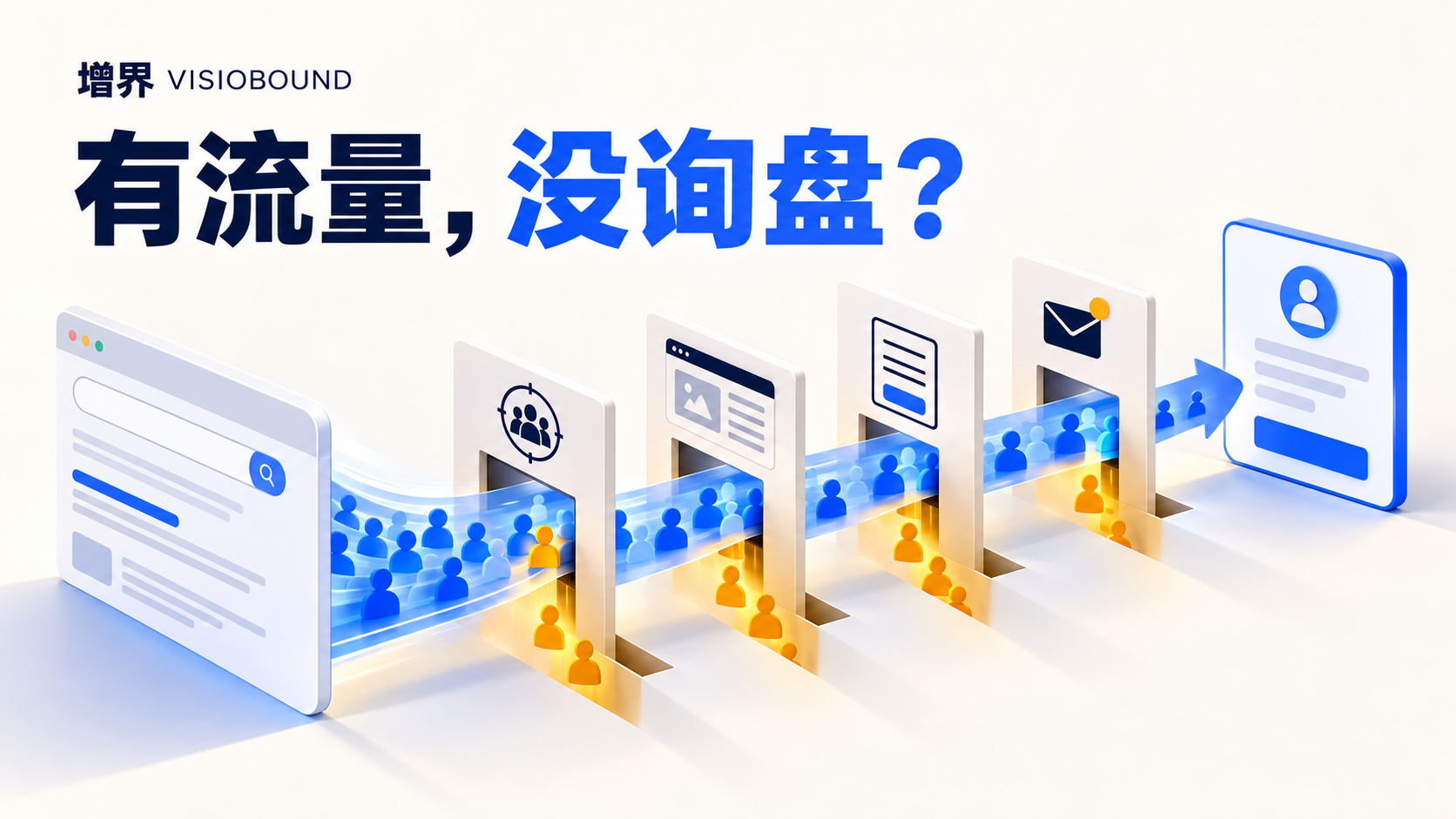
Website Traffic but No Leads? Diagnose the Five Conversion Gaps
Website visits without useful inquiries can result from the wrong audience, an unclear offer, a broken form or a missed handoff. Diagnose the point of failure before buying more traffic or redesigning everything.
Read more →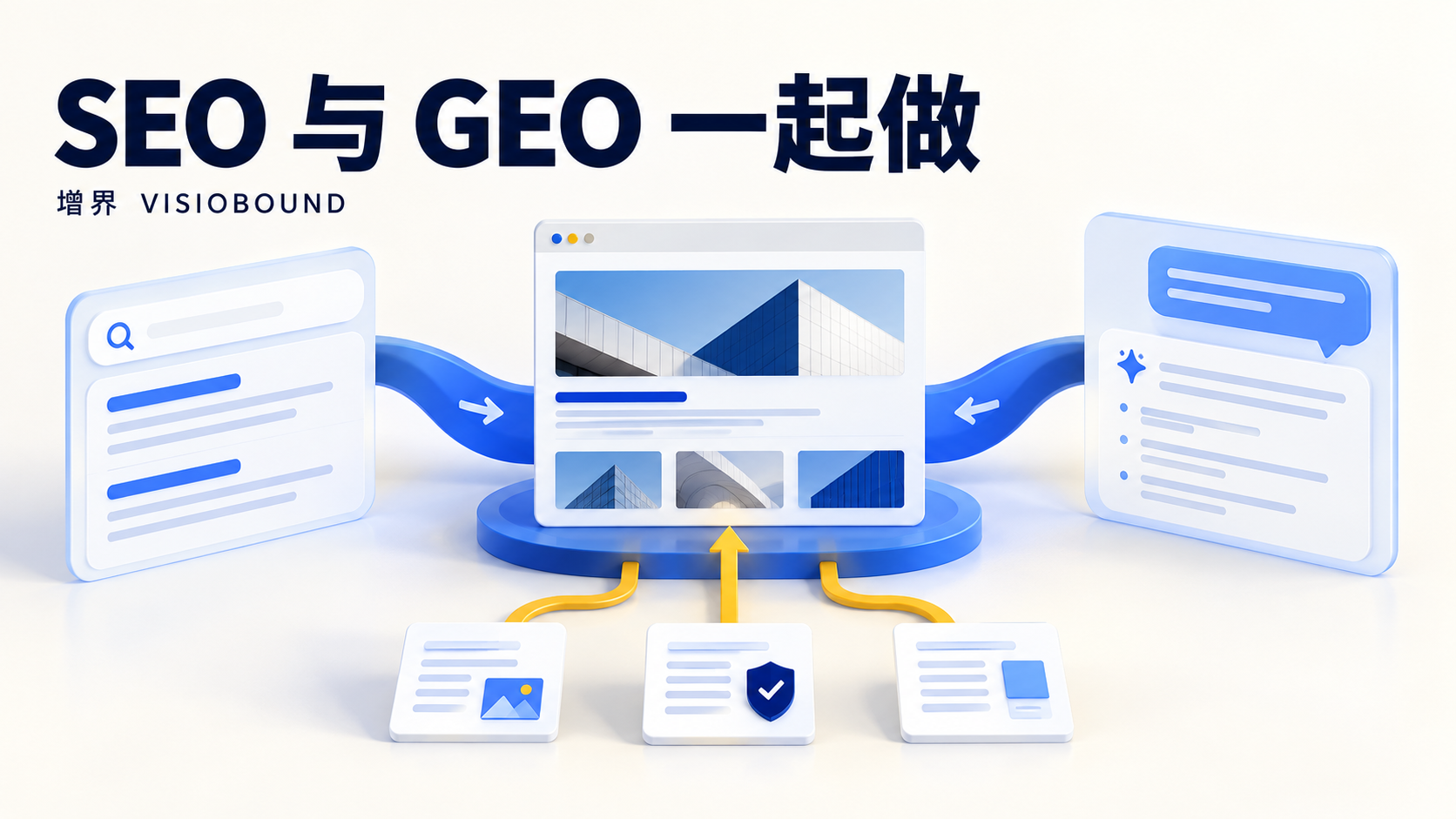
SEO and GEO Together: Plan Keywords, Buyer Questions and Brand Facts
SEO and GEO do not require two disconnected content libraries. Build clear service pages, answer genuine buyer questions and maintain consistent, checkable facts. Treat AI visibility as an observation to evaluate, not a promised result.
Read more →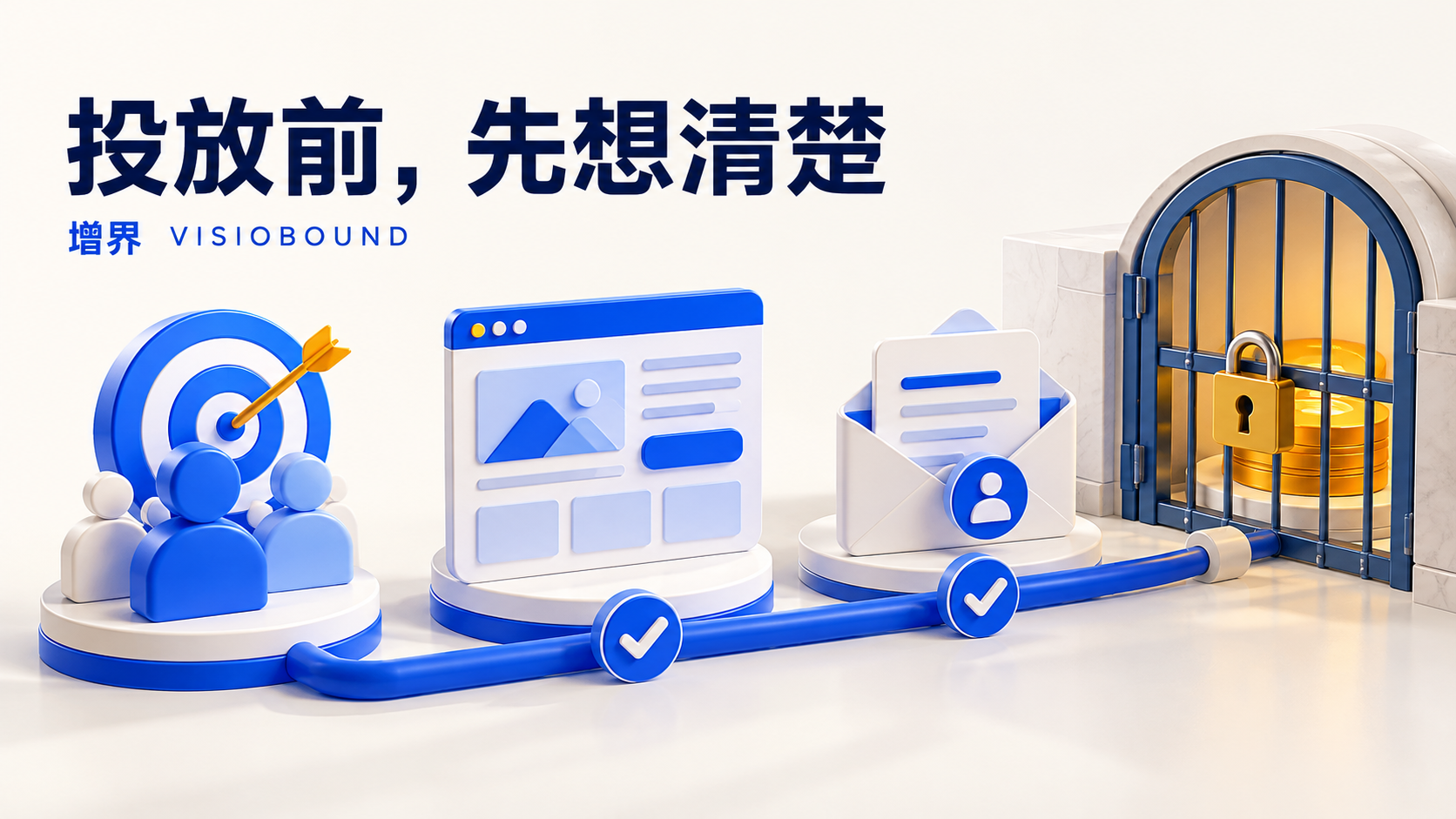
Before Launching B2B Search Ads: A Practical PPC Readiness Checklist
Launching a B2B search campaign takes more than keywords and bids. Clarify the market, offer, landing page, conversion definition and lead ownership before paying for visits, so the team can evaluate what the spend actually produces.
Read more →
How to Write a B2B Service Page That Helps Buyers Take the Next Step
A useful B2B service page is not an extended company biography. It helps a buyer decide whether the offer fits, what the work includes, which evidence is credible and how to start. Organize both copy and interaction around those decisions.
Read more →
After the Form: Build a Reliable B2B Lead Handoff and Follow-up Loop
A successful form message does not establish that sales received a lead or that an opportunity exists. Separate technical receipt, ownership, qualification and feedback to reduce missed inquiries and give SEO and PPC teams useful evidence.
Read more →
B2B SEO: An Execution Plan from Indexing to Qualified Inquiries
B2B SEO connects relevant buyer demand with useful pages and a workable inquiry journey. Build the technical foundation, map intent, improve commercial content and use lead feedback rather than treating rankings as the final outcome.
Read more →
Baidu PPC and Google Ads: Plan Roles and Budgets Across Markets
Coordinating Baidu PPC and Google Ads is not simply translating one keyword list. Define markets, languages, buyer tasks and service capacity, then choose landing pages and evaluation criteria for each channel.
Read more →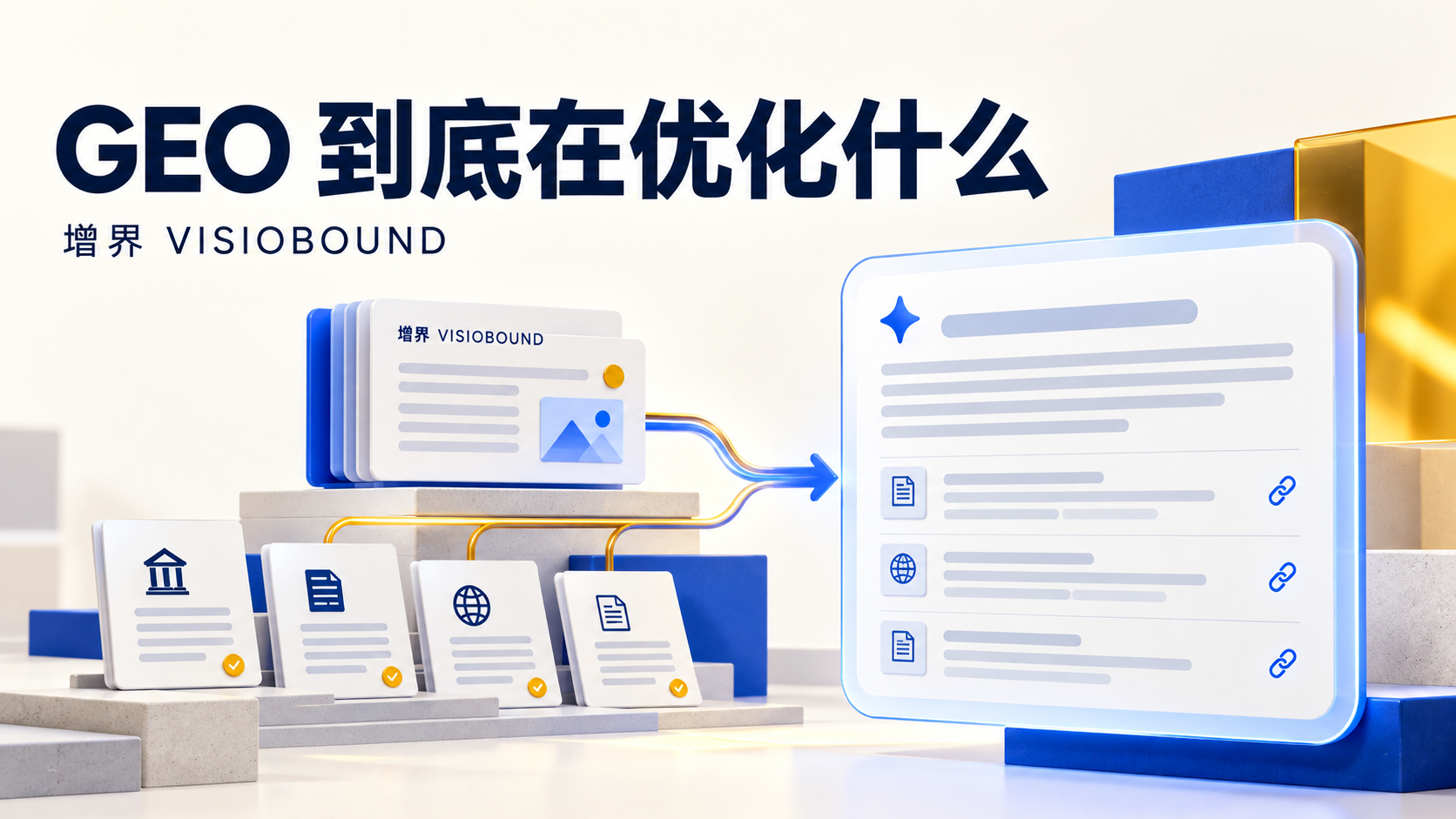
What Is GEO? A Practical Guide to AI-Search Visibility for Businesses
GEO connects core keywords and buyer questions with accurate business facts, useful content and credible external sources. Any service commitment should define platforms, test questions and acceptance conditions; it is not a promise of permanent first place or a guaranteed number of leads.
Read more →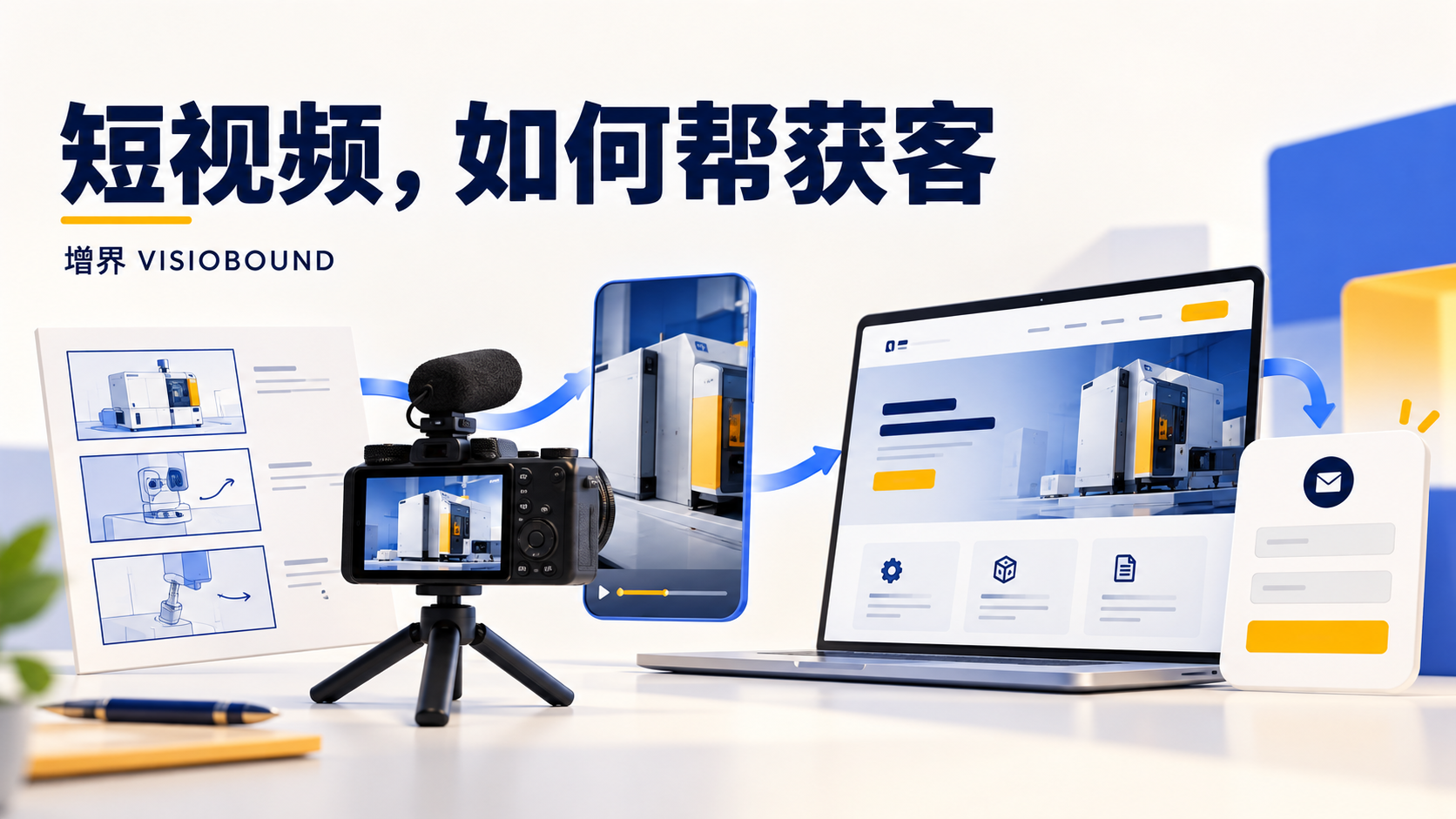
How to Film a Factory: Scripts, On-Site Production and Export-Ready Versions
Plan real factory footage around buyer questions: scripts, production-line shots, safety, quality checks and export-ready versions. Includes preparation and delivery checklists.
Read more →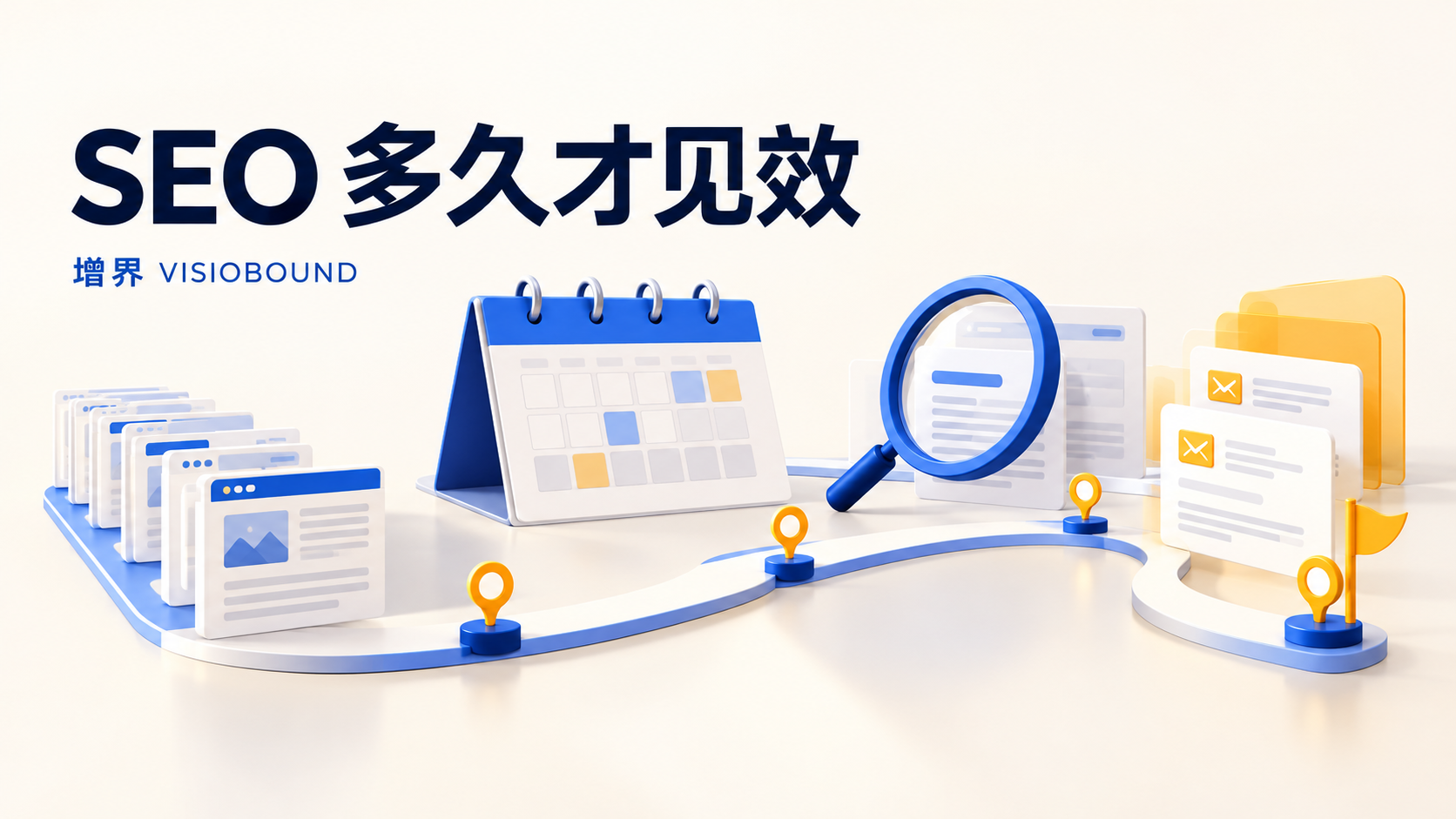
How Long Does SEO Take? Evaluate Indexing, Search Demand and Leads Separately
There is no universal SEO deadline. Verifying a fix, seeing a recrawl, observing search changes and receiving qualified inquiries are different milestones. Define the intended outcome before agreeing on a review window.
Read more →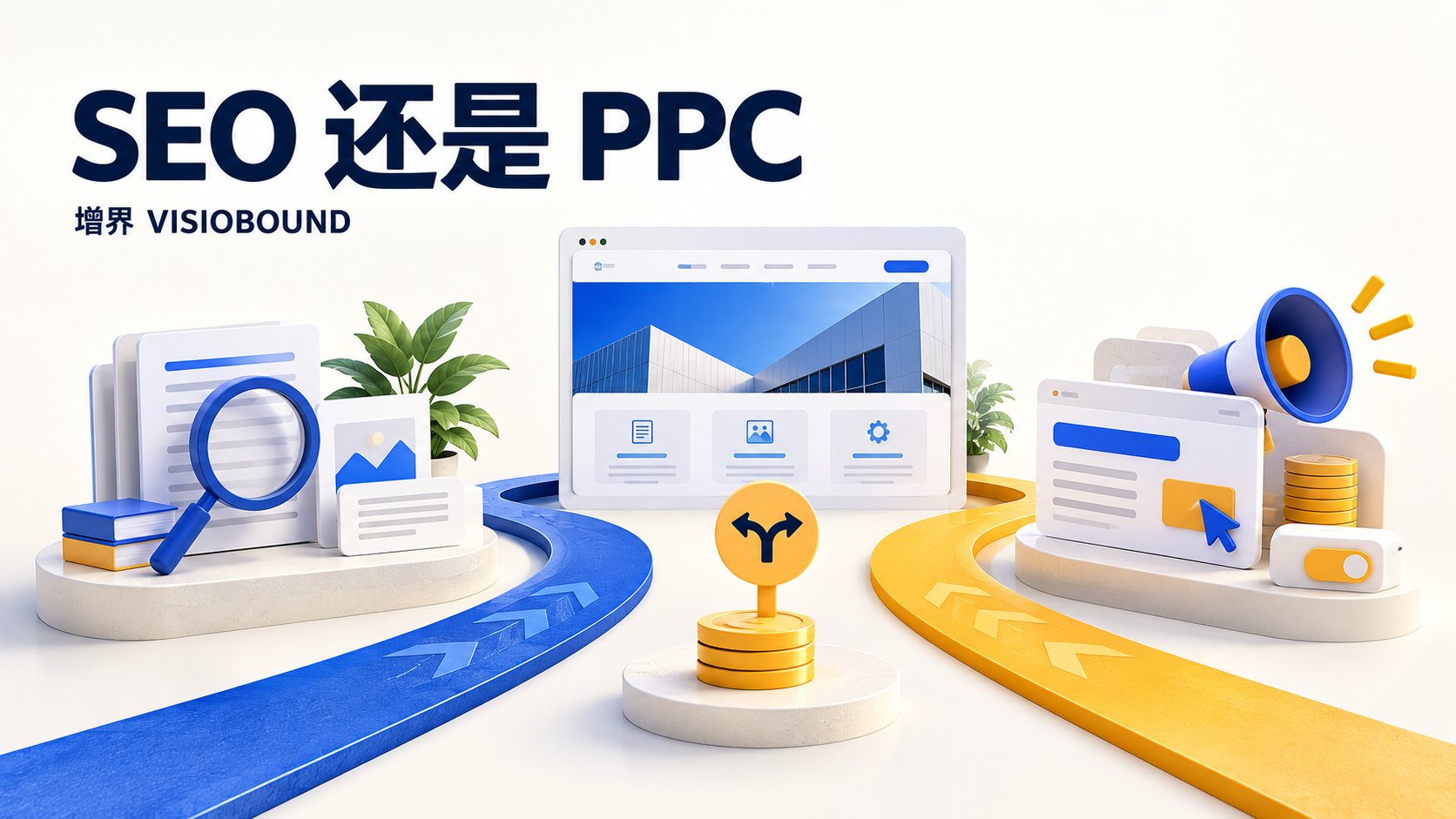
SEO or PPC First? Choose Around Business Stage, Evidence and Constraints
There is no universal SEO-to-PPC budget ratio. Choose around demand clarity, website readiness, content and measurement, plus the resources available to test. Fix critical failures before scaling relevant traffic.
Read more →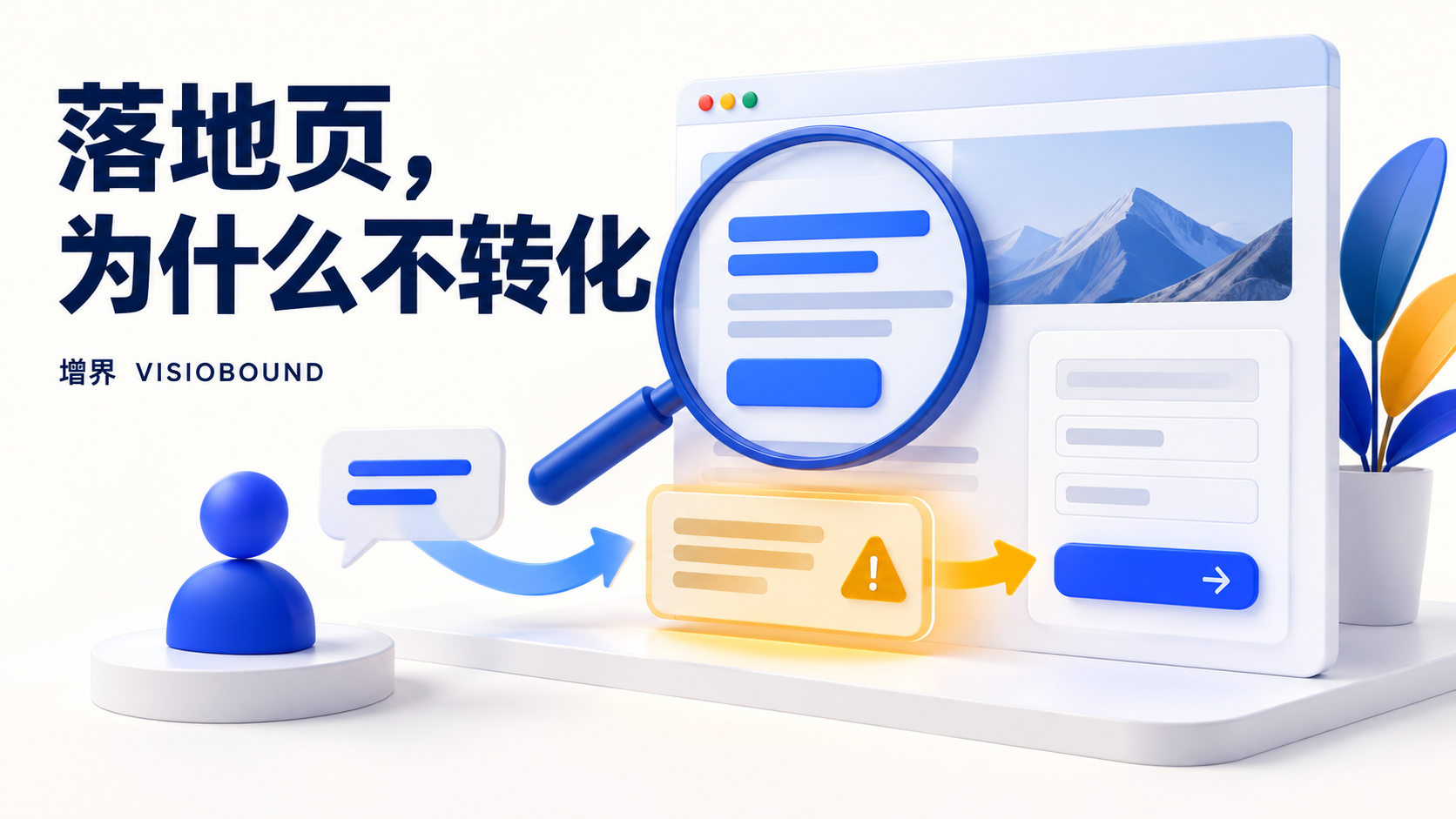
Landing-Page Conversion Checklist: From Message Match to Reliable Submission
Landing-page optimization starts with the audience, promise and inquiry path. Separate clicks, form starts, submissions and lead quality before changing the design. A page can look polished while failing a specific buyer task.
Read more →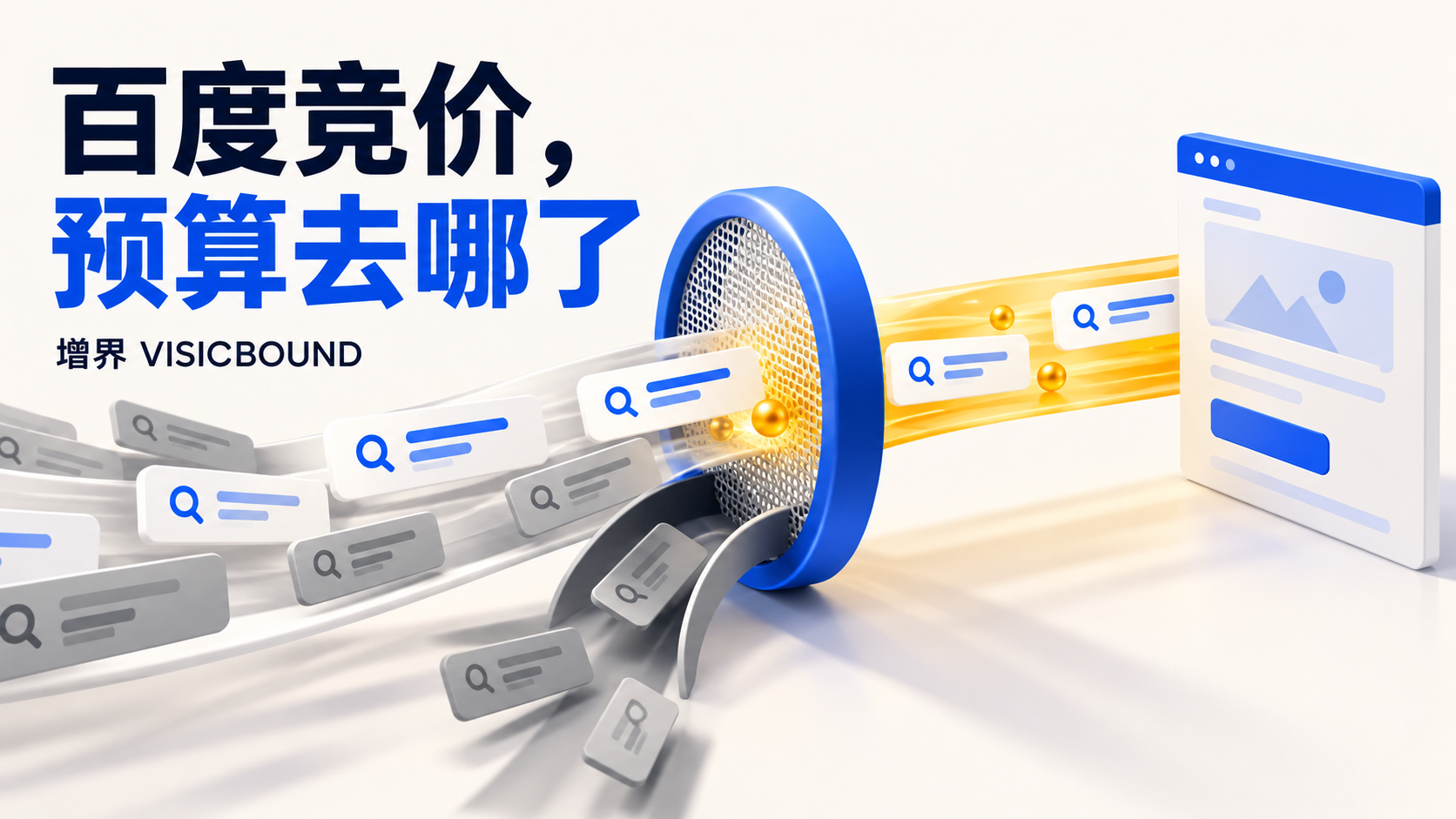
Baidu PPC Waste Review: Check Search Intent, Landing Pages and Lead Quality
When Baidu PPC spend rises without suitable leads, inspect intent, landing pages and measurement before assuming bidding is the cause. Connect disqualification reasons to actual demand rather than repeatedly changing keywords and budgets by intuition.
Read more →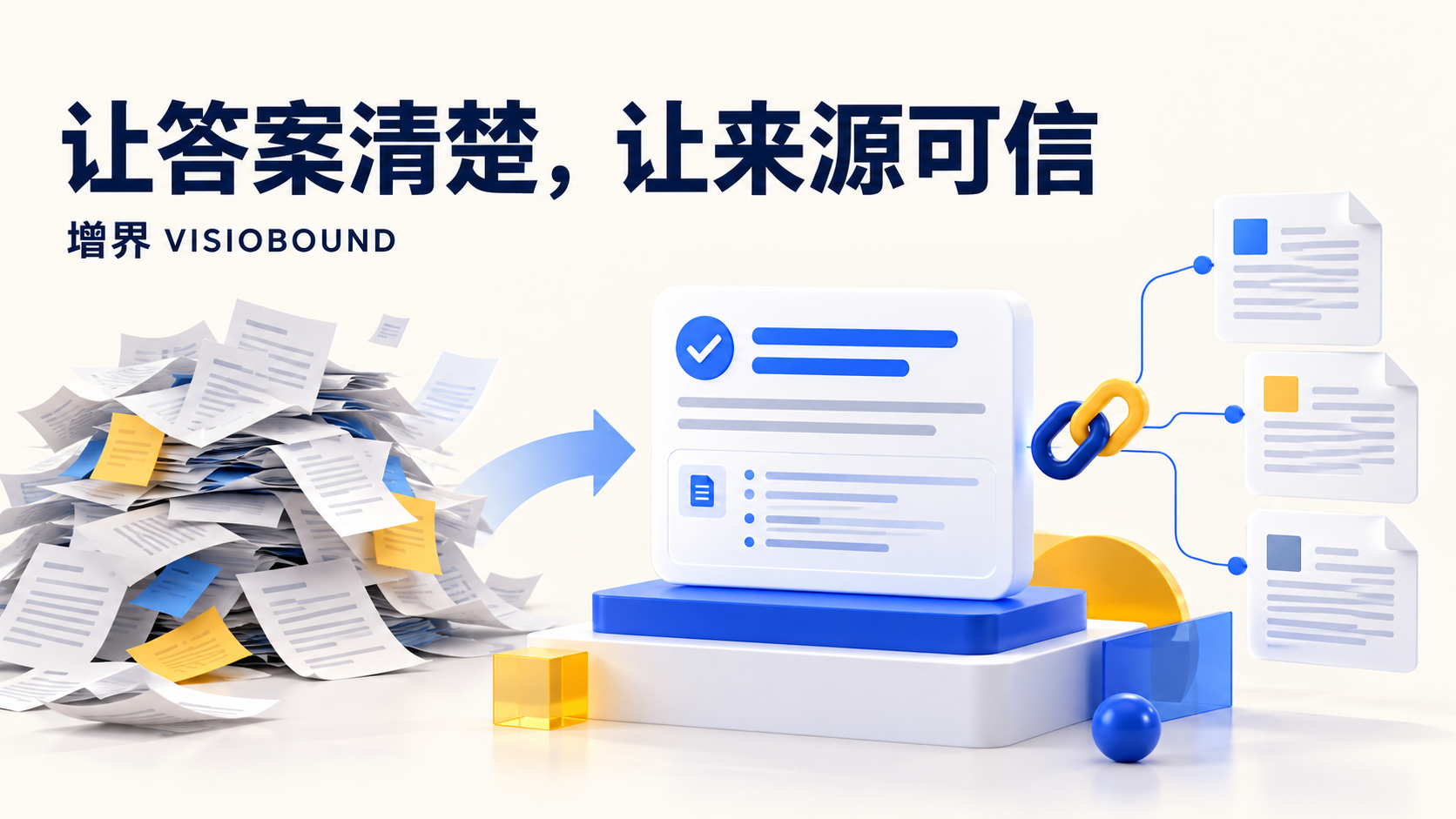
Writing Content for AI-Search Citations: Clear Answers and Checkable Evidence
Content prepared for AI-search discovery should be useful even without an AI intermediary. Answer real questions, explain conditions and provide checkable evidence. A clear structure helps understanding but cannot guarantee citations.
Read more →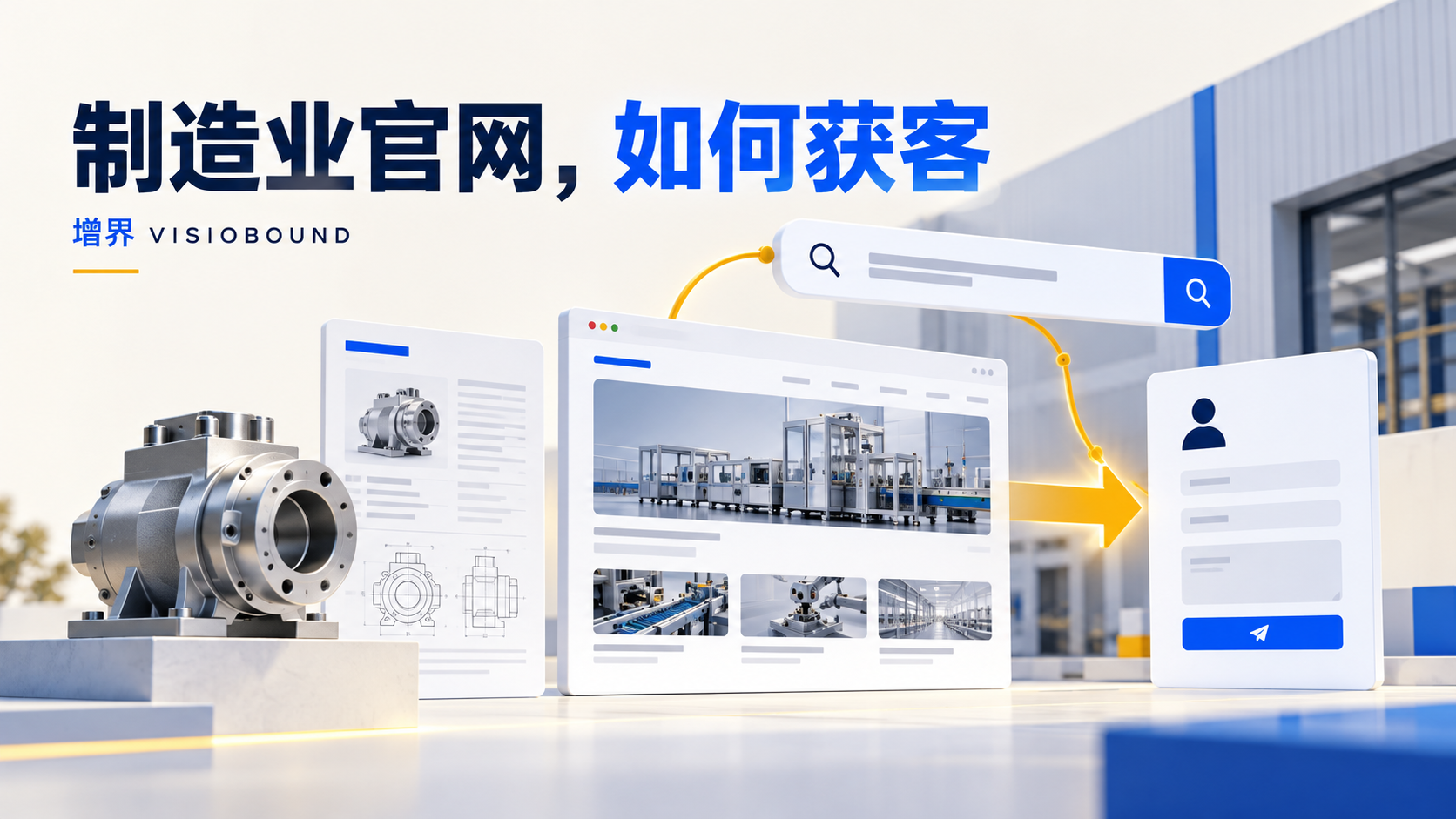
Manufacturing Website Lead Generation: Connect Products, Applications and RFQs
A manufacturing website needs more than factory imagery. Buyers assess specifications, operating conditions, evidence, delivery and the RFQ process. Connect product and application information to support a useful inquiry.
Read more →
SaaS Trial Conversion: Diagnose Signup, Activation and First Value
SaaS signup, activation and payment are separate stages. Low signup may reflect targeting or messaging; weak use after signup may involve onboarding, permissions, data preparation or product fit. Define first value before changing the funnel.
Read more →
Which Fields Belong in a B2B Inquiry Form? Balance Effort and Lead Quality
An inquiry form should collect enough information to begin a useful conversation, not a complete customer dossier. Every required field needs a purpose linked to handling the request. Remove irrelevant effort while preserving usable lead context.
Read more →